Advanced Sanitation Engineering: Premium Saltwater Pool Equipment in the UAE
Modern pool ownership is shifting away from traditional, harsh chemical dosing toward intelligent, self-sustaining water treatment systems. The days of hauling heavy liquid chlorine carboys or dealing with stinging, red eyes and strong chemical odors are being replaced by automated water science. At the center of this movement is specialized saltwater pool equipment, a combination of digital control units and electrolytic cells that transform ordinary pool care into a smooth, skin-friendly experience.
Fresh Ripple Pool operates as a premium electromechanical specialist across the United Arab Emirates. We help property owners move away from primitive chemical additions and transition into precision-engineered, automated salt water management. Whether you want to upgrade an existing chlorine facility or need expert diagnostic service for an advanced system, our certified pool engineers ensure your investment delivers perfect water clarity and complete safety.
The Critical Need for Professional Emergency Pool Repair
In the UAE, a pool emergency is rarely “just” a mechanical glitch; it is often a race against the elements. The combination of intense UV radiation, high ambient temperatures, and the corrosive nature of salt and chlorine means that when a part fails, the deterioration of the entire system accelerates.
Attempting a DIY fix on high-pressure hydraulic lines or complex electrical control panels during a crisis can lead to severe injury or permanent structural damage to your pool. Our certified engineers provide the specialized pool emergency repair services required to handle high-voltage underwater lighting, pressurized filtration tanks, and high-torque pump motors safely and effectively.
Why Property Owners Choose Fresh Ripple for Urgent Repairs:
2-Hour Response Time
We maintain technicians on standby in every major Emirate to ensure we are at your doorstep faster than any other contractor.
Mobile Diagnostic Labs
Our vans are equipped with ultrasonic leak detectors, thermal imaging cameras, and digital water chemistry analyzers.
Genuine Parts Inventory
We carry a full stock of genuine spare parts (mechanical seals, capacitors, impellers, and valves) from world-leading brands like Hayward, Emaux, and Pentair.
The Science of Electrolysis: How a Salt Water Chlorinator Works
To understand the value of modern sanitation, it helps to understand the underlying electrochemistry. A salt water chlorinator does not actually add salt directly to sanitize the water. Instead, it uses mild, natural salinity to manufacture its own pure, highly effective sanitizer right inside your plumbing lines.
The Electrolytic Conversion Cycle
The process begins by dissolving pure, high-grade pool salt into the water until a mild salinity level roughly matching the salt concentration of a human tear is achieved. This water passes directly through an inline electrolytic cell containing specialized titanium plates coated with precious metals like ruthenium or iridium.
When the control box sends a low-voltage electrical current to these plates, it triggers a safe chemical reaction known as electrolysis. This reaction splits the dissolved salt molecules (NaCl) and water molecules (H_2O) into pure hypochlorous acid (HOCl), which destroys algae, bacteria, and organic contaminants instantly.
THE ELECTROLYTIC CHLORINATION LOOP
[ Salt Water ] ───> [ Titanium Cell ] ───> [ HOCl ]
(Mild Salinity) (Low-Voltage DC) (Sanitizer)
[ Pure Water ] <─── [ Recombines ] <─── [ Sanitizes ]
(Sting-Free/Clean) (Salt Re-forms) (Destroys)
The Recombining Nature of Salt Systems
The most remarkable feature of a high-efficiency salt water chlorinator is that it operates in a continuous, closed loop. Once the self-generated hypochlorous acid finishes sanitizing the pool water, it naturally reverts back into ordinary salt.
The salt is never consumed or used up during the sanitation process; it only leaves the pool through splashing, backwashing, or seasonal rainwater dilution. This makes the system incredibly cost-effective, environmentally friendly, and highly reliable compared to traditional chemical programs.
Certified Diagnostics for the PureSilk Chlorinator Range
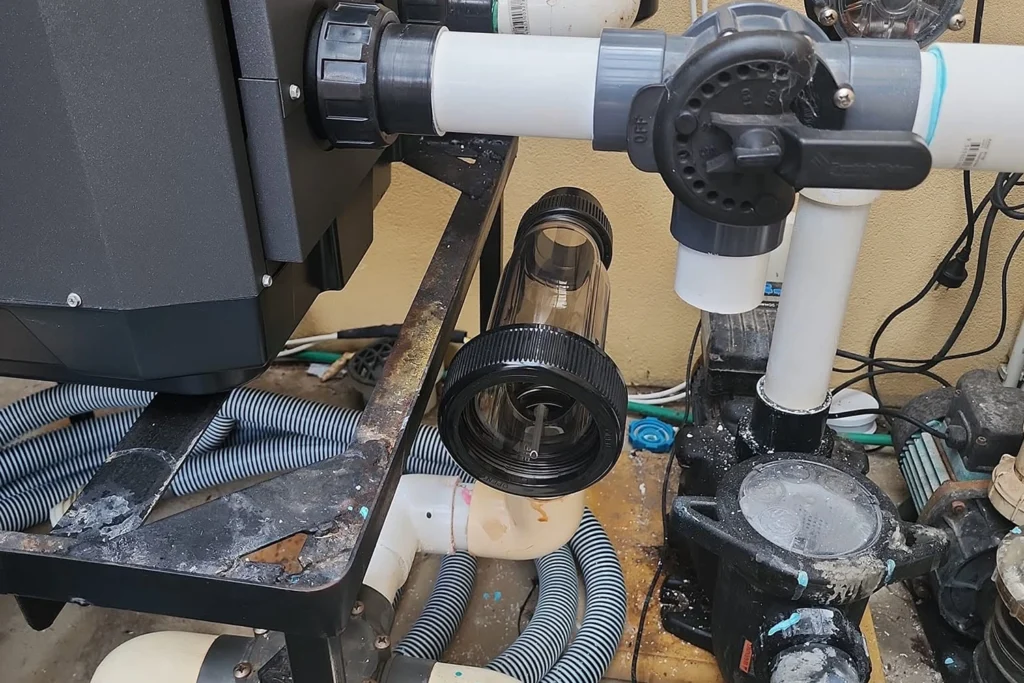
While there are many generic sanitation systems available on the market, premium properties demand commercial-grade reliability and highly accurate dosing control. Fresh Ripple Pool provides certified technical support, factory-spec installations, and precision maintenance for the elite puresilk chlorinator product lineup across the UAE.
Precision Tuning for PureSilk Chrome and Salt Infrastructure
The puresilk chlorinator is widely recognized for its robust build quality and smart monitoring features. However, the harsh climate of the Middle East characterized by high summer water temperatures and fine blowing sand means even top-tier systems require professional calibration to operate at peak efficiency.
Our specialized service technicians understand the exact engineering demands of these high-performance units. We systematically clean the internal titanium plates using specialized cell-washing solutions that remove stubborn calcium crusts without damaging the delicate, expensive precious metal coatings.
PURESILK SYSTEM MAINTENANCE SCHEMA
REVERSE POLARITY CYCLE VERIFICATION (Self-Clean)
TITANIUM PLATE SCALE EXTRACTION (Non-Acidic)
FLOW SENSOR & GAS LOOP ACCURACY CALIBRATION
CONTROL MODULE AMPERAGE DRAW ANALYSIS
Advanced Code Troubleshooting and Low-Salt Error Resolution
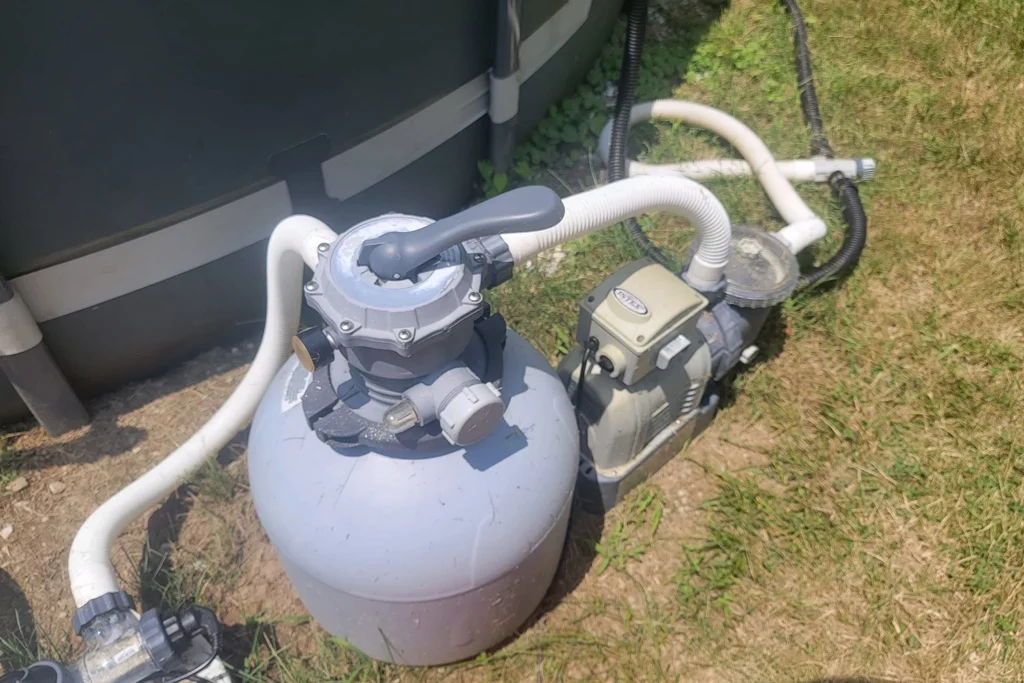
One of the most common issues pool owners encounter with a puresilk chlorinator is a persistent “Low Salt” or “No Flow” warning light on the digital display screen. Many uncertified pool services react to this by simply dumping more bags of salt into the pool, which can over-saturate the water and damage other mechanical equipment.
Our experienced engineers take a diagnostic approach. We use specialized testing tools to verify whether the salt level is actually low, or if the warning is being caused by an entirely different issue, such as:
- A failing internal temperature sensor misreading cold water profiles.
- Heavy calcium scale buildup blocking the electrical current between the titanium plates.
- A worn out or damaged electrolytic cell that has reached the end of its natural service life.
- Reduced water flow caused by an underlying hydraulic issue in the pump room.
Complete Saltwater Pool Equipment Infrastructure Integration
A truly successful saltwater pool requires more than just installing a single chlorination cell into your plumbing. Because salt water is naturally conductive, your entire mechanical layout must be properly configured, bonded, and protected to prevent premature wear and ensure everything runs smoothly.
Protecting Your System with Sacrificial Zinc Anodes
Because a pool running automated saltwater pool equipment has a higher electrical conductivity, it is susceptible to an effect called galvanic corrosion. This occurs when minor, stray electrical currents travel through the pool water, targeting soft metals like stainless steel screws, light fixtures, ladder rails, and pool heater cores.
To prevent this damage, Fresh Ripple Pool integrates specialized sacrificial zinc anodes into your pool’s plumbing loop and electrical grounding grid. The zinc anode acts like a lightning rod for corrosion, drawing the damaging electrical currents to itself and dissolving slowly over time to keep your expensive heaters, pumps, and structural metals completely safe.
GALVANIC INFRASTRUCTURE PROTECTION
Stray Electrical Currents ──> [ Sacrificial Anode ]
(Zinc Dissolves)
[ Main Pool Heaters ] <─────────── PROTECTED
[ Stainless Railings ] <────────── PROTECTED
[ Pump Impellers ] <────────────── PROTECTED
Upgrading to Salt-Resistant Circulation Systems
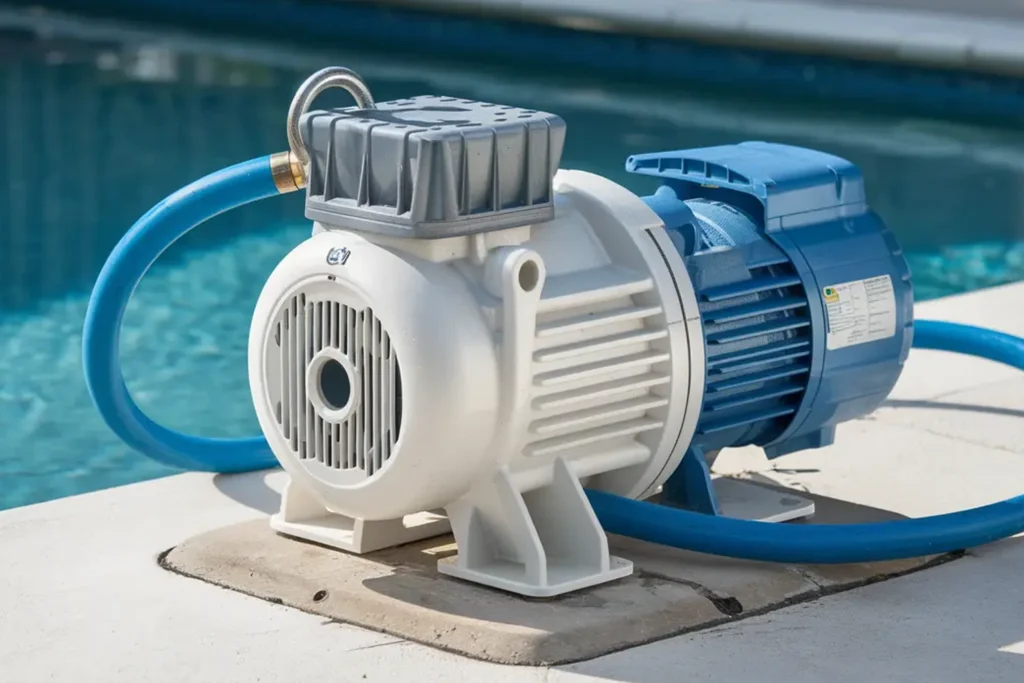
Standard pool pumps with cheap shaft seals can quickly develop slow leaks when exposed to salt water. As the water evaporates, it leaves behind abrasive salt crystals that can ruin the pump motor bearings.
When we handle a saltwater upgrade, we make sure your circulation pump is built with high-grade Viton seals and 316 stainless steel components. This heavy-duty design stands up to long-term salt exposure, ensuring quiet operation and a long working life.
Managing Natural pH Shifts with Smart Automation
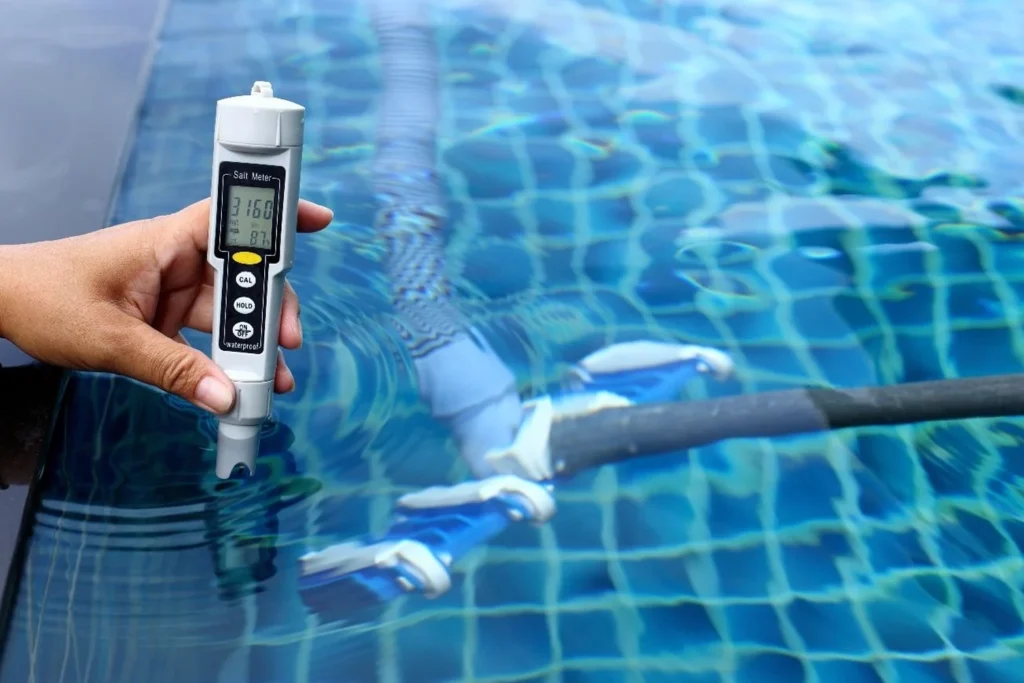
An interesting quirk of automated saltwater pool equipment is that the electrolytic reaction naturally causes the water’s pH level to drift upward over time. If the pH climbs too high, the pool water becomes scale-forming, which can cause calcium to crust over your tile lines and clog up your heating elements.
To counter this, we often pair a premium salt water chlorinator with an automated pH dosing pump. This intelligent add-on continuously monitors your water’s pH balance and automatically introduces precise, tiny doses of liquid acid to keep the pool perfectly balanced. This smart pairing gives you a truly hands-free pool that stays crystal clear and perfectly comfortable with minimal effort.
Operational Reality: Saltwater vs. Traditional Chemical Dosing
To help you make an informed decision for your residential compound or commercial property, the matrix below compares the long-term operational impacts of modern saltwater systems against traditional liquid or tablet chlorine methods:
| Operational and Comfort Metrics | Traditional Chemical Dosing | Automated Saltwater Systems |
| Water Texture and Skin Comfort | Can feel harsh; prone to dry skin and red eyes. | Silky smooth feel; very gentle on sensitive skin. |
| Chemical Storage Requirements | High; requires storing hazardous chlorine carboys. | Low; only requires standard bags of natural pool salt. |
| Sanitizer Delivery Consistency | Uneven spikes; drops between manual chemical additions. | Completely steady; continuous production during pump cycles. |
| Risk of Structural Bleaching | Higher; can fade liners and bleach high-end swimwear. | Extremely low; gentle, balanced sanitizer levels. |
| Long-Term Utility Efficiency | Standard; requires manual backwashing and monitoring. | Optimized; reduces overall chemical footprint and waste. |
Ready to experience the luxury of a premium saltwater pool?
Stop dealing with harsh chemicals and protect your pool investment with advanced automation. Get in touch with our equipment team today for a detailed system consultation.
Strategic Field Optimization: Calibrating Saltwater Infrastructure for Desert Climates
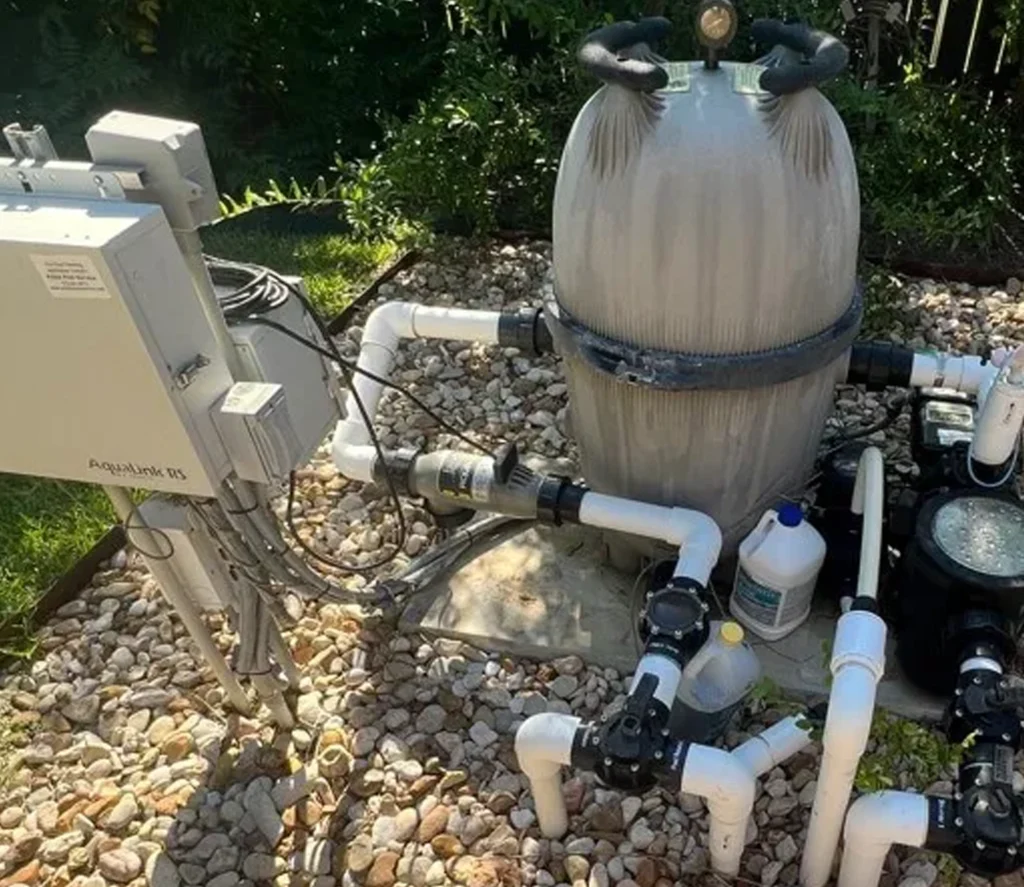
Operating saltwater pool equipment within the United Arab Emirates demands a deep understanding of hyper-arid environmental physics. The region’s intense summer sun, high dust levels, and extreme ambient air temperatures often exceeding 45°C create unique operational challenges that standard European or North American installation manuals simply do not account for. Without precise local adjustments, even the highest-grade salt water chlorinator can experience premature cell degradation, insufficient sanitation output, and rapid scaling.
At Fresh Ripple Pool, our engineering teams do not rely on factory default configurations. We customize every component of your saltwater loop to withstand the unique pressures of the Middle East, ensuring consistent performance and optimal energy efficiency year-round.
DESERT EXTENSIBLE SALTWATER MATRIX
UV EXTINCTION AND ISOMER STABILIZATION
HIGH-TEMPERATURE ELECTROLYTIC DERATING
CALCIUM CARBONATE PRECIPITATION MITIGATION
CONDUCTIVITY BALANCING UNDER EVAPORATION
Mitigating UV Degradation and Stabilizing Sanitizer Residuals
The intense solar radiation in the UAE presents a major obstacle to maintaining clean pool water. Unprotected free chlorine molecules are highly sensitive to ultraviolet light; when exposed to direct sunlight, up to 90% of the active sanitizer in your water can be destroyed in less than two hours. This rapid loss forces your salt water chlorinator to run at maximum capacity all day, which shortens the lifespan of the titanium plates and drives up your electricity bills.
To counter this, our chemical engineers establish a precise protective barrier using cyanuric acid, often called a chlorine stabilizer. By maintaining a carefully balanced concentration of 30 to 50 parts per million (ppm), we create a molecular shield that protects the self-generated sanitizer from UV rays. This optimization allows your system to maintain a steady, safe sanitizing residual while running at a much lower output setting, significantly extending the life of your equipment.
Managing High-Temperature Electrolytic Performance
Water temperature has a direct impact on how efficiently electrolysis works. As pool water heats up during the peak summer months, its electrical resistance drops, which causes the amperage draw inside the electrolytic cell to rise. If this increased electrical load is left unmanaged, the control board of your salt water chlorinator can overheat, leading to blown internal fuses or complete circuit board failures.
Our premium saltwater pool equipment packages feature smart, temperature-compensating control modules. These advanced units continuously monitor water temperature and automatically adjust the voltage sent to the cell, keeping the system running safely within its optimal electrical range.
Additionally, during the hottest months when bather loads are highest, we program your system to run its main chlorination cycles during the cooler nighttime hours, which helps lower thermal stress on the electronics and improves overall performance.
Proactive Preservation Protocols: Preventing Mineral Scale and Failure
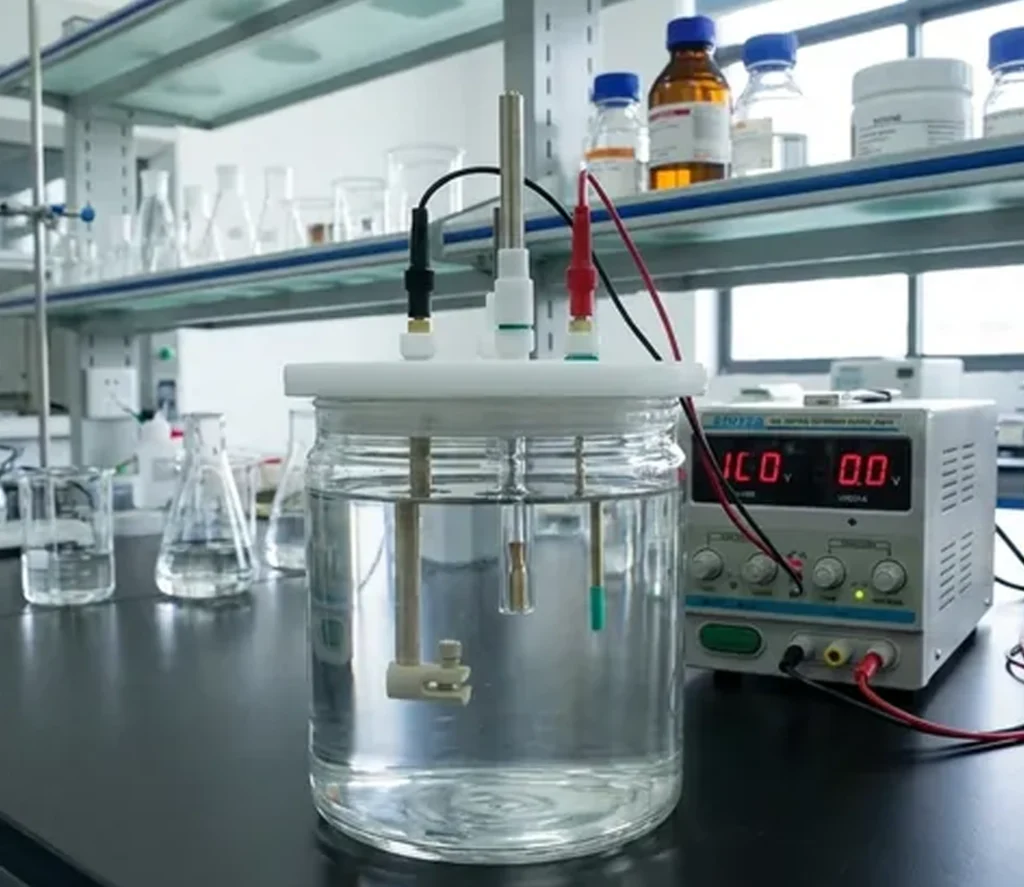
The groundwater in the UAE naturally contains high levels of dissolved minerals, particularly calcium and magnesium carbonates. When this hard water passes through the electrolytic cell of a salt water chlorinator, the high electrical current and natural heat create an environment where calcium scale forms rapidly on the titanium plates. If this white, crusty scale layer is allowed to build up, it insulates the plates, blocks the electrical current, and eventually stops the sanitation process entirely.
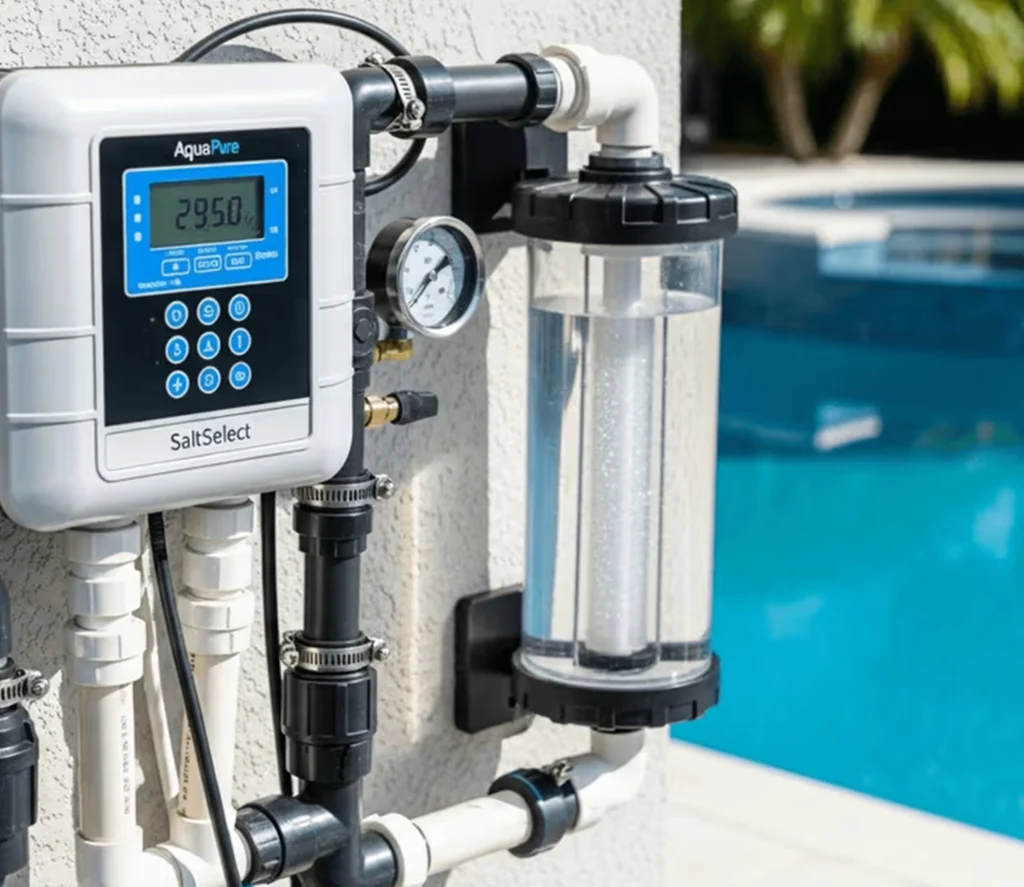
Protecting Systems with Intelligent Reverse Polarity
To combat rapid scaling, our advanced saltwater pool equipment systems including the premium puresilk chlorinator range utilize an automated self-cleaning feature known as reverse polarity. Every few hours, the digital control unit automatically reverses the direction of the electrical current traveling through the cell. This shift changes the electrical charge of the plates, causing accumulated calcium deposits to naturally flake off and wash away in the water stream.
During our preventative maintenance visits, our engineers test the timing and accuracy of this reverse polarity cycle. We make sure the control board switches charges cleanly without creating electrical surges, keeping your self-cleaning system working reliably and saving you from frequent, manual chemical cleanings.
PREVENTATIVE COOPERATIVE AUDIT INDEX
TOTAL DISSOLVED SOLIDS DYNAMIC SPECTRUM (TDS)
REVERSE POLARITY TRANSITION TIMING ANALYTICS
SEAL INTEGRITY AND O-RING DEGRADATION TRACKING
GLYCOL-COOLED POWER TRANSFORMER EVALUATION
Utilizing Inhibited Chemical Cell Maintenance
Even with self-cleaning systems, pools operating in regions with exceptionally hard water will eventually develop stubborn scale deposits that reverse polarity alone cannot remove. When manual cleaning is required, uncertified pool workers often use harsh, unbuffered muriatic acid solutions. This aggressive approach can permanently strip away the delicate ruthenium and iridium coatings on the titanium plates, ruining an expensive cell in a matter of minutes.
Fresh Ripple Pool uses an exclusive, inhibited chemical washing process to safely service your equipment. Our specialized solution gently breaks down and dissolves calcium scale without scratching or weakening the precious metal coatings beneath.
After cleaning, we treat the internal components with a protective sealing agent that discourages future mineral buildup, ensuring your cell continues to generate sanitizer efficiently between service visits.
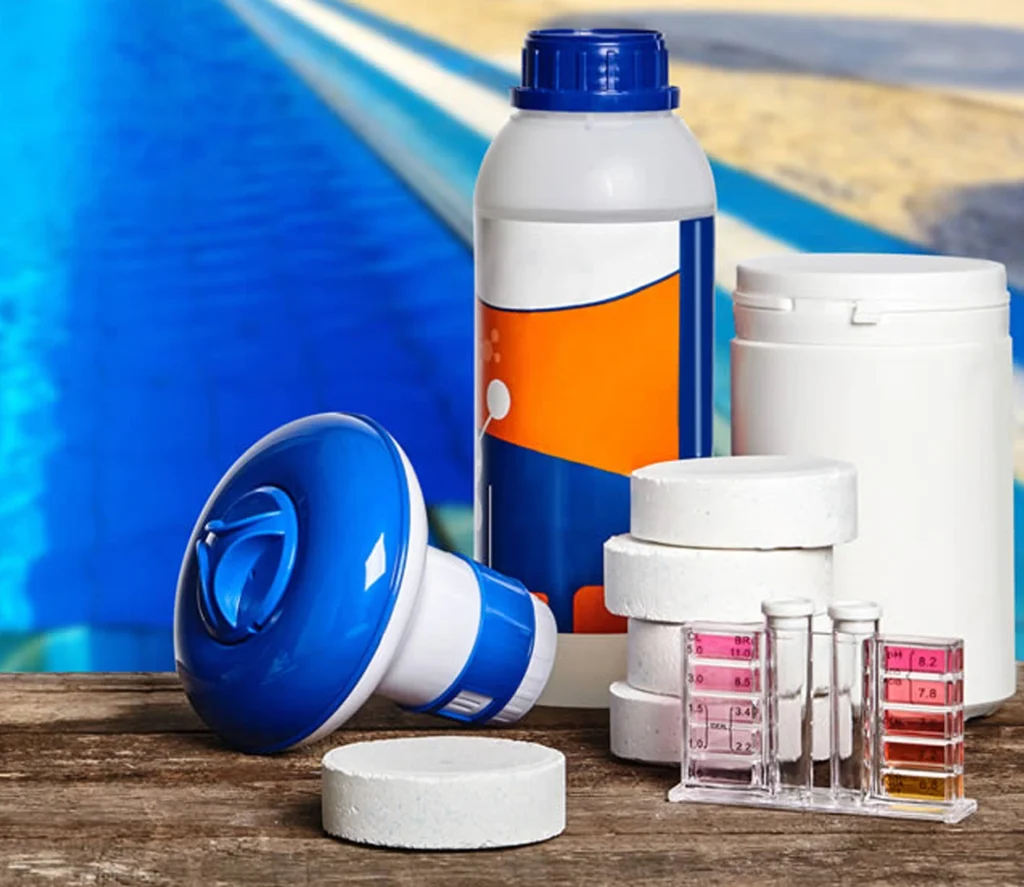
Brand Engineering Mastery: Advanced PureSilk Chlorinator Diagnostics
The puresilk chlorinator is widely regarded as an industry standard for luxury properties due to its commercial-grade construction and precise monitoring capabilities. However, because these systems are highly advanced, troubleshooting them requires specialized technical expertise. Our factory-trained field engineers possess a deep understanding of PureSilk’s internal electronics, allowing us to accurately diagnose and resolve complex system issues.
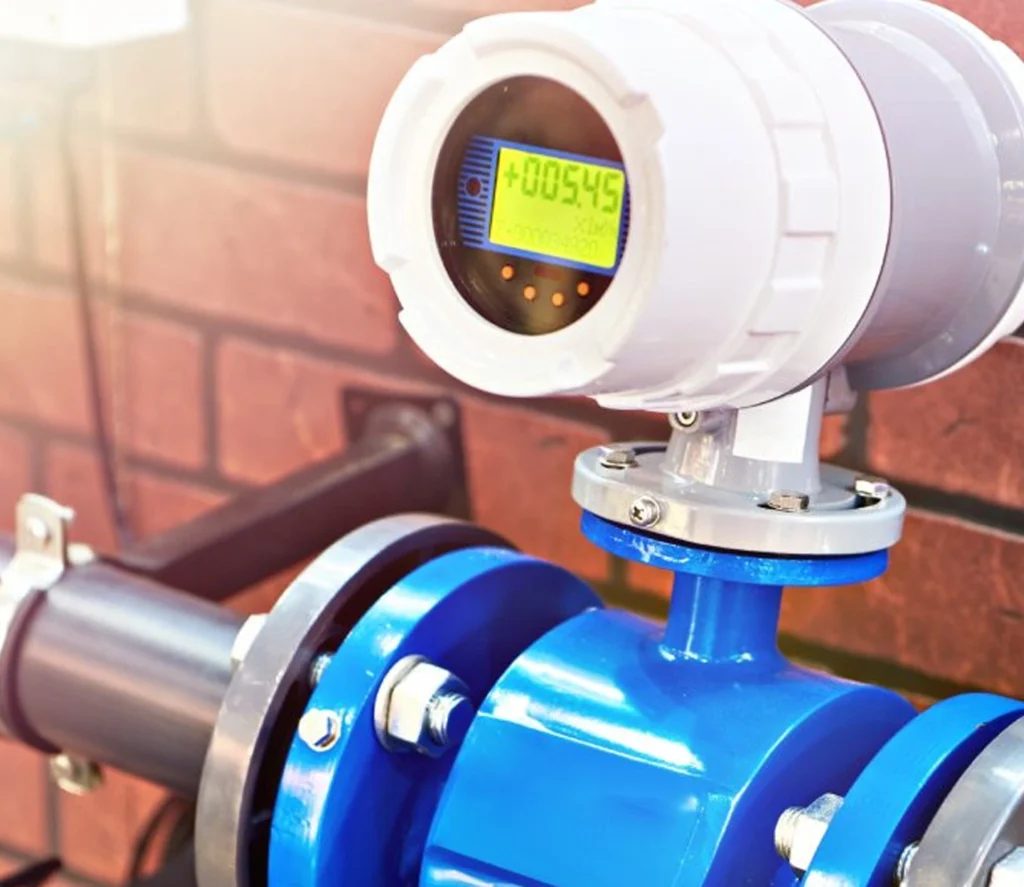
Resolving Gas Lock and Flow Diagnostic Errors
A common operational challenge with high-output saltwater cells is the management of internal gas loops. As the puresilk chlorinator breaks down salt water, it produces tiny bubbles of pure chlorine gas and hydrogen gas. If your pool pump room suffers from minor hydraulic restrictions such as a partially clogged skimmer basket, a dirty filter, or an air leak in the suction line the water velocity drops, allowing these gases to collect inside the cell housing.
This gas buildup creates an air pocket that pushes water away from the safety sensors, triggering a “No Flow” error and shutting down the system. Our technicians use digital flow meters to check your system’s actual flow rates.
We clear any hidden plumbing blocks, lubricate worn-out gaskets, and adjust valve positions to maintain perfect water pressure, ensuring your system runs continuously without sudden safety shutdowns.
HYDRAULIC GAS LOCK RESOLUTION PATH
[ Gas Accumulation ] ──> [ Sensor Dry Out ]
[ Adjust Valves / Clean Filter ] ◄┘
[ Continuous Water Flow ] ──> [ System Re-activates ]
Calibrating Conductivity Sensors and Treating Water Changes
Over time, blowing dust and organic debris can settle on the sensitive internal sensors of your puresilk chlorinator, causing the system to display incorrect salt readings. When this happens, the control panel may show a false “Low Salt” warning even if the actual salt level in the pool is perfectly fine. Adding more salt based on a false reading can over-saturate the water, causing skin irritation and putting unnecessary stress on your pump seals.
Our service teams carry precision digital refractometers to double-check your pool’s actual salinity independent of the system’s display. If we find a discrepancy, we carefully clean the sensor probes using specialized electronics cleaners to remove any oil or dirt films.
We then recalibrate the control board back to factory-spec parameters, ensuring your system receives accurate data and doses your pool perfectly.
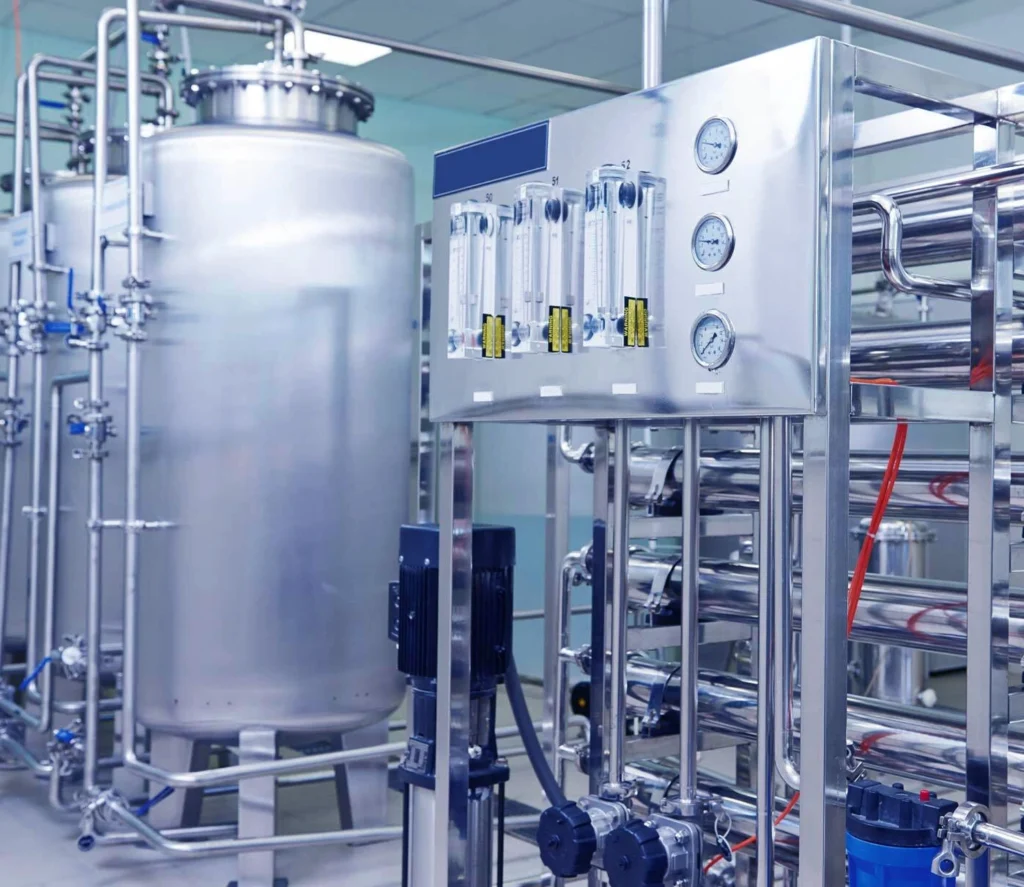
Comprehensive Troubleshooting Protocols for Common Saltwater Equipment Issues
To help you identify potential mechanical issues early, the reference guide below outlines common signs of trouble within advanced saltwater pool equipment and the professional steps required to fix them:
High Cell Voltage / Rapid On-Off Cycling
- Likely Cause: Dense calcium scale coating the internal plates, or a severe drop in water temperature lowering conductivity.
- Professional Fix: Perform a non-destructive chemical cell wash, verify current salinity with a digital refractometer, and check control board voltage output.
Persistent "Low Salt" Display with Correct Salinity
- Likely Cause: Oil or dirt buildup on the internal sensor probes, or a natural degradation of the precious metal coating on the plates.
- Professional Fix: Clean and recalibrate the diagnostic sensors; perform an amperage-draw test on the cell to determine its remaining service life.
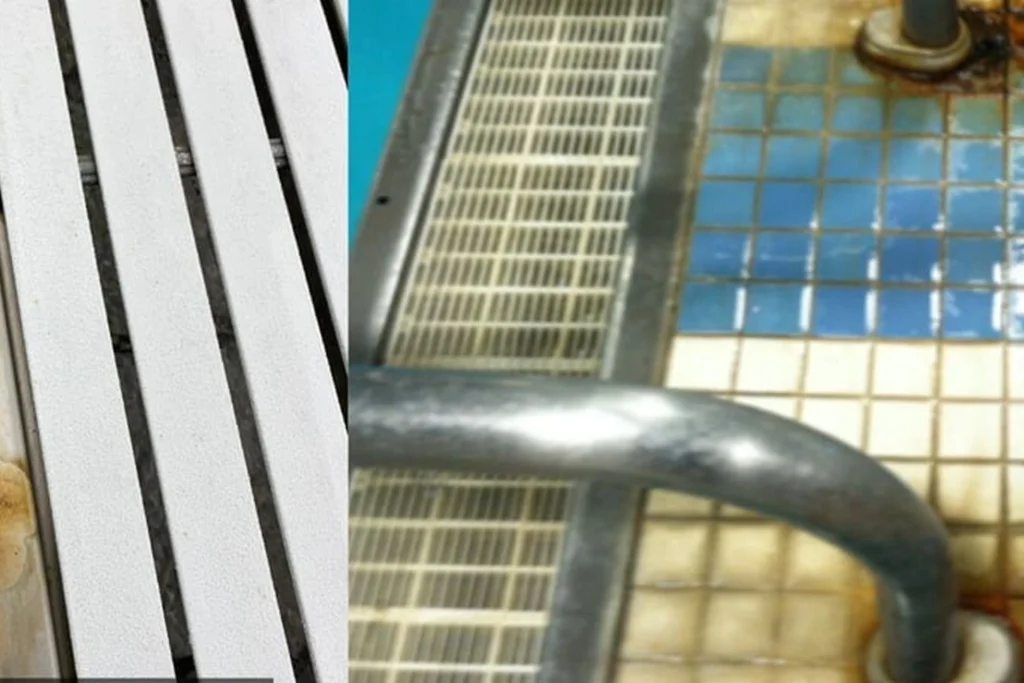
Premature Rusting on Stainless Steel Pool Fittings
- Likely Cause: A broken or missing electrical ground connection, or an exhausted zinc anode leading to galvanic corrosion.
- Professional Fix: Inspect and repair all electrical bonding wires, and install a fresh, high-capacity sacrificial zinc anode in the plant room plumbing.
Constant Loss of Pool Water Salinity
- Likely Cause: Undetected structural plumbing leaks, or excessive water dilution from automated fresh water refill valves.
- Professional Fix: Conduct a professional pressure test on all underground plumbing lines, and recalibrate automated water refill levels.
National Service Delivery Across the United Arab Emirates
Fresh Ripple Pool provides responsive electromechanical support and technical care across all seven emirates, ensuring premium properties always have access to expert saltwater maintenance solutions.
📍 Regional Service Hubs & Key Areas:
Dubai Marina & Palm Jumeirah Infrastructure:
Specializing in complex high-volume saltwater systems, automation troubleshooting, and advanced electrical bonding for premium beachfront villas and luxury penthouse pools.
Abu Dhabi City & Saadiyat Island Reserves:
Providing specialized maintenance for high-end puresilk chlorinator systems, automated pH integration, and sacrificial anode management for sprawling coastal estates.
Sharjah & Northern Emirates Commercial Pools:
Delivering reliable, commercial-grade saltwater maintenance solutions and rapid equipment repairs for community wellness centers, resort destinations, and private holiday rentals.
Al Ain & Oasis Inland Estates:
Optimizing filtration performance, managing high-temperature derating, and implementing intensive descaling programs to keep inland pools running flawlessly through extreme desert heat.

Frequently Asked Questions (FAQ)
Yes, absolutely. Converting an existing pool is a straightforward process that does not require draining your water. Our engineers simply install a modern salt water chlorinator cell into your existing return plumbing line, mount the digital control box to the wall, and connect the system to your pool’s electrical bonding loop. We then add high-grade natural salt directly to the water to jumpstart the automated sanitation process.
Under normal operating conditions, a high-quality saltwater cell typically lasts between 3 to 5 years in the UAE. You can maximize this lifespan by keeping your water chemistry balanced, ensuring your self-cleaning reverse polarity cycles are working correctly, and avoiding the use of harsh, unbuffered acids during manual cleanings.
Not at all. Ocean water has an incredibly high salinity level of around 35,000 ppm. In contrast, a modern salt water chlorinator operates at a very mild salinity level of just 3,000 to 4,000 ppm. This low concentration is completely imperceptible to the taste and gives the water a remarkably soft, silky feel that is exceptionally gentle on skin and eyes.
To keep a pure silk chlorinator running at peak efficiency, we recommend inspecting the cell every quarter for signs of scale buildup, checking the flow sensors for debris, and testing the control board’s electrical output. Regular professional checkups help prevent unexpected system shutdowns and ensure your pool stays clear and safe year-round.
Secure Your Advanced Saltwater Consultation Today
Don’t let poor water balancing or uncertified repairs shorten the lifespan of your luxury pool investment. Partner with the dedicated engineering team at Fresh Ripple Pool to enjoy automated sanitation, pristine water clarity, and reliable mechanical performance through every season.
Contact Our Sanitation Engineering Team:
- Call our central maintenance desk to book a comprehensive electromechanical site survey and system audit with a certified engineer.
- Message our team on WhatsApp to share photos of your equipment room or current error codes for a rapid technical review.
- Submit your property specifications using our convenient digital form below to receive a flat-rate maintenance proposal tailored to your needs.
Fresh Ripple Pool: Engineering Flawless Performance and Absolute Clarity.

About Us
Hye Shine Detailing
Lorem Ipsum is simply dummy text of the printing and typesetting industry. Lorem Ipsum has been the industry’s standard dummy text ever since the 1500s, when an unknown printer took a galley of type and scrambled it to make a type specimen book. It has survived not only five centuries, but also the leap into electronic typesetting, remaining essentially unchanged. It was popularised in the 1960s with the release of Letraset sheets containing Lorem Ipsum passages, and more recently with desktop publishing software like Aldus PageMaker including versions of Lorem Ipsum.
It is a long established fact that a reader will be distracted by the readable content of a page when looking at its layout. The point of using Lorem Ipsum.